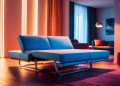

- Distinctive character defines interiors with the-spinkings.uk for lasting elegance and style
- The Art of Layering Textures and Materials
- Choosing the Right Color Palette
- The Importance of Lighting Design
- Furniture Selection and Placement
- Creating a Functional Layout
- The Power of Accessories and Finishing Touches
- Creating a Cohesive and Harmonious Space
Table of Contents
Distinctive character defines interiors with the-spinkings.uk for lasting elegance and style
Creating a truly distinctive and inviting interior is a pursuit that blends personal taste with an understanding of design principles. It’s about crafting a space that not only looks aesthetically pleasing but also feels comfortable, functional, and reflective of the people who inhabit it. Many homeowners begin this journey seeking inspiration, exploring different styles, and meticulously selecting pieces that resonate with their vision. Finding the right resources and understanding how to translate inspiration into reality can be challenging, but ultimately rewarding. The perfect combination of textures, colors, and furnishings can elevate a house into a home, and that's where curated collections like those found at the-spinkings.uk can prove invaluable, offering a starting point for building such a space.
The key to lasting elegance lies not in chasing fleeting trends but in establishing a foundation of classic design elements. These elements, when thoughtfully combined, transcend temporary fads and create a timeless appeal. Investing in quality pieces, paying attention to detail, and prioritizing functionality alongside aesthetics are all crucial aspects of this process. A well-designed interior isn’t simply about how a room looks; it’s about how it feels to live in, and it’s an investment in your overall well-being. Selecting the right items for the space can be stressful; it's important to remember to take things one step at a time, building up to the final look.
The Art of Layering Textures and Materials
The foundation of any captivating interior design lies in the skillful layering of textures and materials. A room that feels visually flat or monotonous lacks depth and character. Introducing a variety of textures – think soft wool rugs, smooth silk cushions, rustic wooden furniture, and gleaming metallic accents – adds dimension and invites tactile exploration. The interplay between these different surfaces creates a sense of richness and complexity, making the space more engaging and comfortable. Consider the contrast between rough and smooth, matte and shine; these opposing elements work together to create visual interest. Don’t be afraid to mix and match different materials; a linen sofa paired with a leather armchair can create a harmonious blend of comfort and sophistication. The goal is to create a space that feels both luxurious and lived-in, and texture is the key to achieving this balance. Remember that smaller elements, such as throws and wall art, can contribute greatly to the texture of a room.
The selection of materials should also be informed by the overall style and atmosphere you wish to create. For a rustic farmhouse aesthetic, natural materials like wood, stone, and cotton are ideal. Conversely, a modern minimalist space might benefit from sleek materials like glass, steel, and polished concrete. Paying attention to the inherent qualities of each material – its color, pattern, and texture – will help you create a cohesive and harmonious design. It’s also important to consider the durability and practicality of materials, especially in high-traffic areas. Selecting materials that are both beautiful and functional will ensure that your interior design stands the test of time. For example, using a stain-resistant fabric for a sofa can be a wise investment, while opting for hardwood flooring over carpet in a hallway will enhance its longevity.
Choosing the Right Color Palette
Color plays a pivotal role in shaping the mood and atmosphere of a room. A well-chosen color palette can evoke feelings of calm, energy, or sophistication, depending on the hues you select. Understanding the psychology of color is essential for creating a space that truly resonates with your personal preferences and lifestyle. Warm colors like reds, oranges, and yellows tend to create a sense of warmth and intimacy, while cool colors like blues, greens, and purples promote relaxation and tranquility. Neutral tones, such as grays, whites, and beiges, provide a versatile backdrop for layering in pops of color and texture. When selecting a color palette, it’s helpful to consider the amount of natural light in the room and how different colors will appear under varying lighting conditions.
Creating a harmonious color scheme doesn’t necessarily mean sticking to a limited number of colors. In fact, layering different shades and tones within the same color family can create a subtle and sophisticated effect. For example, pairing a deep navy blue with lighter shades of teal and aqua can create a calming and serene atmosphere. It’s also important to consider the color of your existing furniture and accessories when choosing a new color palette. If you’re starting from scratch, you have more freedom to experiment, but if you’re working with existing pieces, it’s best to choose colors that complement them. Don’t be afraid to use color to create focal points in a room. A brightly colored accent wall or a boldly patterned rug can instantly draw the eye and add visual interest.
| Blue | Calmness, serenity, trust | Bedrooms, bathrooms, home offices |
| Green | Growth, harmony, nature | Living rooms, kitchens, gardens |
| Yellow | Optimism, energy, happiness | Kitchens, dining rooms, entryways |
| Red | Passion, energy, excitement | Dining rooms, accent walls |
The interplay of color and light significantly impacts the overall perception of a space. Utilizing lighter shades can make a room appear larger and more open, while darker hues create a cozy and intimate atmosphere. Understanding these dynamics allows for thoughtful implementation of color choices to enhance architectural features and maximize spatial harmony.
The Importance of Lighting Design
Often underestimated, lighting is a critical element in interior design. It’s not just about illuminating a space; it’s about creating atmosphere, highlighting architectural features, and enhancing the overall mood. A well-lit room feels more inviting, comfortable, and functional. There are three main types of lighting to consider: ambient, task, and accent. Ambient lighting provides overall illumination, typically from ceiling fixtures or recessed lights. Task lighting focuses on specific areas for activities like reading or cooking, often with lamps or under-cabinet lighting. Accent lighting is used to highlight artwork, architectural details, or other focal points. Combining these different types of lighting creates a layered and balanced effect. Pay attention to the color temperature of your light bulbs as well; warm white light creates a cozy atmosphere, while cool white light is more energizing.
Beyond the type of lighting, the placement of fixtures is also crucial. Positioning lamps strategically can create pools of light that draw the eye and add depth to a room. Using dimmers allows you to adjust the intensity of the light, creating different moods for different occasions. Don't forget about natural light! Maximize natural light by using sheer curtains or blinds that allow sunlight to filter through. Reflective surfaces, such as mirrors and metallic accents, can also help to amplify natural light and make a room feel brighter. Consider the function of the room when determining your lighting plan. A kitchen, for example, will require more task lighting than a bedroom.
- Prioritize layering different light sources for a dynamic effect.
- Utilize dimmers to adjust the mood and create varying ambiance.
- Maximize natural light with appropriate window coverings.
- Consider the color temperature of bulbs for desired atmosphere.
Effective lighting design not only enhances the aesthetics of a room but also improves its functionality. Properly illuminated workspaces and walkways can prevent accidents and promote productivity. Thoughtfully placed lighting can also draw attention to specific design elements, creating focal points and adding visual interest.
Furniture Selection and Placement
Selecting furniture is more than just choosing pieces that look good; it’s about finding items that are the right size, scale, and proportion for your space. Consider the overall layout of the room and how different pieces will interact with each other. A large, oversized sofa might overwhelm a small living room, while a delicate armchair might get lost in a large, open space. Before you start shopping, measure your room carefully and create a floor plan to help visualize how different pieces will fit. Pay attention to the flow of traffic; you want to ensure that people can move comfortably through the room without bumping into furniture. Don’t be afraid to mix and match different styles and periods, but be mindful of creating a cohesive look. A Victorian armchair paired with a modern sofa can work well if the colors and textures complement each other.
The placement of furniture can dramatically impact the way a room feels and functions. Creating a focal point, such as a fireplace or a large window, can help to anchor the room and draw the eye. Arranging furniture around the focal point creates a sense of balance and harmony. Conversation areas should be designed to encourage interaction, with seating arranged in a way that allows people to easily communicate with each other. Consider the views from windows and doorways; you don’t want to block natural light or create an obstructed view. Utilize rugs to define different areas within a room and create a sense of cohesion. The careful arrangement of furniture can transform a cluttered space into an inviting and functional haven. Remember to leave enough space for walking and movement.
Creating a Functional Layout
A functional layout prioritizes ease of movement and efficient use of space. Avoid overcrowding rooms with too much furniture, which can make them feel cramped and claustrophobic. Consider the primary activities that will take place in the room and arrange furniture accordingly. For example, a dining room should have enough space around the table to allow people to move comfortably, while a living room should be arranged to facilitate conversation and relaxation. Utilizing multi-functional furniture can be a great way to maximize space, such as an ottoman with built-in storage or a sofa bed for guest accommodation. Think about the placement of electrical outlets and lighting fixtures to ensure they are easily accessible.
Effective organization is essential for maintaining a functional layout. Utilizing storage solutions, such as shelves, cabinets, and baskets, can help to keep clutter at bay. Consider vertical storage to maximize space, especially in small rooms. Decluttering regularly is also important; get rid of items you no longer use or need to create a more streamlined and organized space. A well-organized room feels more spacious and inviting, and it promotes a sense of calm and tranquility. Proper arrangement of space encourages a more relaxing lifestyle for you and your guests.
- Measure your space accurately before purchasing furniture.
- Create a floor plan to visualize the layout.
- Prioritize functionality and ease of movement.
- Utilize multi-functional furniture.
The Power of Accessories and Finishing Touches
Accessories are the details that truly personalize an interior space and elevate its overall aesthetic. They are the finishing touches that transform a house into a home, reflecting your individual style and personality. These can include artwork, decorative pillows, throws, vases, candles, books, and personal mementos. Choosing accessories that complement your color scheme and furniture style is important, but don't be afraid to add a touch of unexpectedness to create visual interest. A brightly colored pillow on a neutral sofa or a unique piece of artwork can instantly add personality and flair. The selection of accessories should be curated and intentional, rather than simply filling the space with random items.
Consider the scale and proportion of accessories in relation to the room. A large, oversized vase might be perfect for a spacious living room, but it could overwhelm a smaller space. Grouping accessories in odd numbers (e.g., three or five) tends to be more visually appealing than arranging them in even numbers. Don’t be afraid to experiment with different arrangements and groupings until you find something that feels right. Pay attention to the textures and materials of accessories, as they can add depth and dimension to the space. Finally, remember that less is often more; a few carefully chosen accessories can have a greater impact than a cluttered display of too many items. The right finishing touches can breathe life and character into any room.
Creating a Cohesive and Harmonious Space
The ultimate goal of interior design is to create a cohesive and harmonious space that feels inviting, comfortable, and reflective of your personal style. This involves carefully considering all the elements – from the color palette and lighting to the furniture and accessories – and ensuring they work together in a unified and balanced way. It’s about creating a space that not only looks beautiful but also feels functional and livable. It's a process that requires patience, attention to detail, and a willingness to experiment. Don’t be afraid to try new things and to break the rules; ultimately, the most important thing is to create a space that you love. And remember to find inspiration – perhaps exploring curated collections like those available at the-spinkings.uk can jumpstart your creative process.
Often, homeowners find themselves drawn to a specific aesthetic – perhaps modern farmhouse, bohemian chic, or minimalist Scandinavian – but it's crucial to adapt that style to their own unique needs and preferences. Don't simply copy a look from a magazine or social media; instead, use it as a starting point and then personalize it with your own touches. Consider the architectural style of your home and how it can inform your design choices. Creating a cohesive space is an ongoing process; it's something you can refine and evolve over time as your tastes and lifestyle change. Focusing on creating a space that promotes well-being and enhances your daily life is the most valuable aspect of interior design.