

Table of Contents
1893 1/2 Dollar Gold American Eagle D: A Rare Numismatic Gem
Introduction
The world of coin collecting offers a fascinating glimpse into history, and the 1893 1/2 dollar gold American Eagle D is no exception. This rare and highly sought-after coin stands out for its unique design, gold composition, and historical value. Weighing 12.5 grams and measuring 30 millimeters in diameter, this coin is a treasure for collectors and history enthusiasts alike. Let’s explore its origins, features, and significance in greater detail.
Historical Background
The 1893 1/2 dollar gold American Eagle D was minted during a time when gold coins played a significant role in the U.S. economy. In the late 19th century, gold coins were used for larger transactions and symbolized the country’s economic stability. The coin reflects the artistry and craftsmanship of the era, with intricate details that capture the essence of American pride and heritage.
The “D” mint mark on this coin indicates that it was produced at the Denver Mint, a facility renowned for producing high-quality gold coins. Its production was limited, adding to its rarity and appeal.
Physical Features of the Coin
The 1893 1/2 dollar gold American Eagle D boasts impressive physical characteristics that set it apart from other coins:
- Weight: 12.5 grams, giving it a substantial feel in the hand.
- Diameter: 30 millimeters, slightly larger than today’s half-dollar coins.
- Gold Composition: Struck from high-purity gold, showcasing its intrinsic value.
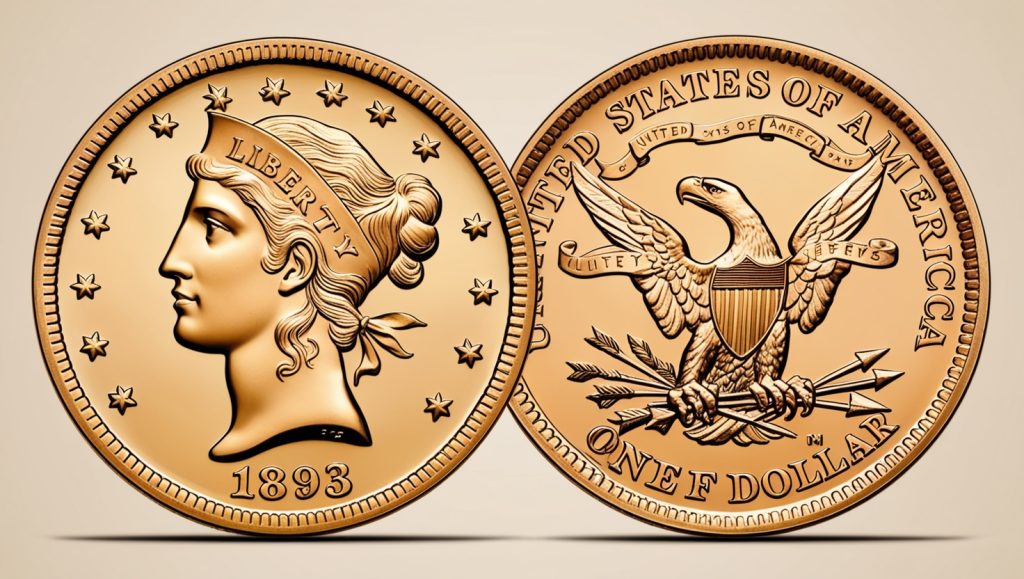
- Design: Features a detailed eagle motif on one side and Lady Liberty on the other, symbolizing strength and freedom.
- These features make the coin a masterpiece of both design and craftsmanship.
Mint Mark “D” and Its Importance
The “D” mint mark signifies that the coin was minted at the Denver Mint, which began operations in 1906. While the mark is associated with this facility, it is worth noting that the use of “D” on earlier coins, like the 1893 piece, references a brief production period when the mint played a pivotal role in U.S. coinage.
Coins with a “D” mint mark are especially valued by collectors due to their limited mintage and historical significance.
Why the 1893 1/2 Dollar Gold Coin is Special
This coin is more than just a collectible; it’s a piece of history. Here’s why it stands out:
- Rarity: Limited production makes it a rare find in the numismatic world.
- Historical Significance: Represents the economic and artistic achievements of late 19th-century America.
- Gold Value: Its composition ensures intrinsic value, regardless of market trends.
Collector’s Appeal: Highly sought after by enthusiasts for its design and connection to the Denver Mint.
Current Market Value
The value of the 1893 1/2 dollar gold American Eagle D depends on several factors, including:
- Condition: Well-preserved coins fetch higher prices, especially those with minimal wear.
- Rarity: The scarcity of the coin adds significant value.
- Gold Price: Fluctuations in the gold market can impact its intrinsic worth.
Currently, the coin can range from several thousand dollars to tens of thousands, depending on its condition and provenance.
Tips for Collectors
For those looking to add the 1893 1/2 dollar gold American Eagle D to their collection, consider these tips:
- Authenticate the Coin: Ensure it is genuine by consulting a certified numismatist or grading service.
- Check the Condition: Look for coins with clear details and minimal wear.
- Store Properly: Use protective cases to prevent damage and preserve its value.
- Research: Familiarize yourself with the coin’s history and market trends before making a purchase.
Conclusion
The 1893 1/2 dollar gold American Eagle D is a remarkable piece of American history, blending artistry, craftsmanship, and economic significance. Whether you’re a seasoned numismatist or a newcomer to coin collecting, this coin offers a unique opportunity to own a tangible piece of the past. With its rarity, stunning design, and enduring value, the 1893 1/2 dollar gold coin is truly a treasure worth cherishing.