

Table of Contents
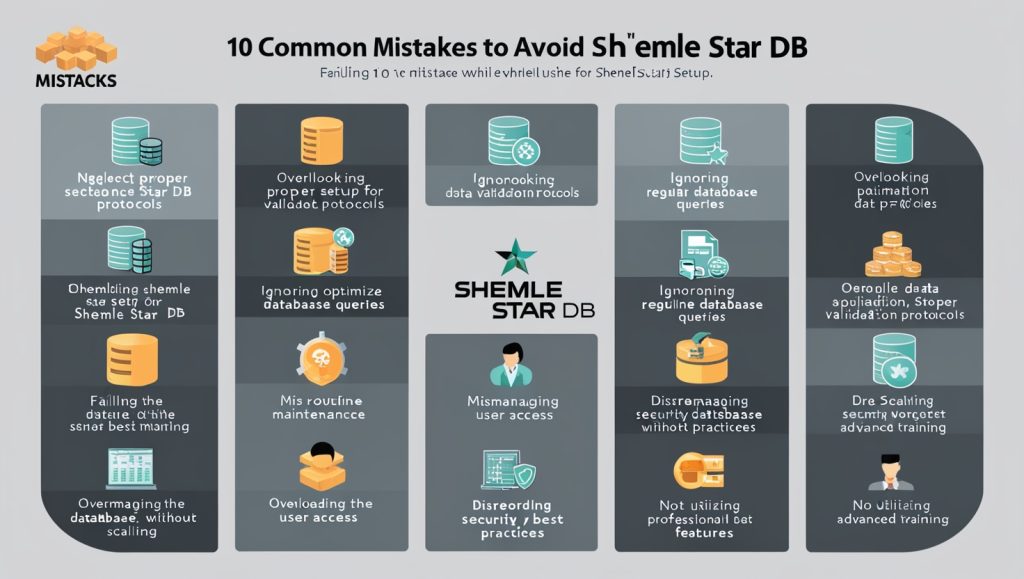
10 Common Mistakes to Avoid While Using Shemle Star DB
Managing and maintaining databases effectively is critical for streamlined operations in any organization. With Shemle Star DB, a powerful database management tool, users can leverage its advanced features to optimize data handling. However, certain mistakes can limit its efficiency or lead to serious errors. Let’s explore the most common pitfalls and how to avoid them to unlock the full potential of Shemle Star DB.
1. Neglecting Proper Setup for Shemle Star DB
One of the foundational errors users make is skipping the setup phase. Shemle Star DB requires precise configuration tailored to your specific needs. Failing to set parameters, allocate resources, or customize settings can lead to suboptimal performance.
To avoid this mistake, follow these steps:
- Read the setup documentation thoroughly.
- Configure security features, including user roles and access permissions.
- Test the initial configuration on a sample dataset.
2. Overlooking Data Validation Protocols
Accurate data entry is the backbone of any database system, and Shemle Star DB is no exception. Without rigorous validation, erroneous data may creep in, compromising reports and analysis.
Solution:
- Establish validation rules during data entry.
- Use automated scripts to scan for anomalies regularly.
- Train staff on proper data entry protocols to minimize human errors.
3. Ignoring Regular Backups
Another critical oversight is not scheduling consistent backups. Data loss due to system crashes, hardware failures, or cyberattacks can be catastrophic, especially for businesses heavily reliant on databases.
Pro Tip:
- Use Shemle Star DB’s built-in backup tools to automate the process.
- Store backups both on-site and in secure cloud storage.
- Test the restoration process periodically to ensure data integrity.
4. Failing to Optimize Database Queries
Inefficient queries can drastically slow down database operations. Many users fail to leverage Shemle Star DB’s query optimization features, leading to lag and performance bottlenecks.
Avoid This By:
- Utilizing indexes for frequently accessed data.
- Writing well-structured SQL queries.
- Running performance tests to identify and fix bottlenecks.
5. Skipping Routine Maintenance
Shemle Star DB, like any software, benefits from regular maintenance. Skipping updates, neglecting logs, or ignoring performance metrics can lead to inefficiencies or vulnerabilities.
Quick Fixes:
- Schedule routine database audits.
- Update Shemle Star DB whenever a new version is available.
- Regularly monitor system logs for anomalies.
6. Mismanaging User Access
Improper management of user roles and permissions often results in accidental data breaches or unauthorized changes.
Best Practices for User Access:
- Assign roles based on job responsibilities.
- Limit access to sensitive data to only authorized personnel.
- Use multi-factor authentication for added security.
7. Overloading the Database Without Scaling
As your organization grows, so does the demand on your database. Shemle Star DB must be scaled appropriately to handle the increased load. Many users fail to anticipate this growth and encounter frequent system crashes or lag.
Scalable Solutions:
- Monitor database usage trends regularly.
- Plan for storage and processing upgrades ahead of time.
- Consider cloud-based solutions to handle surges in data volume.
8. Disregarding Security Best Practices
In an era of increasing cyberattacks, disregarding security measures is one of the gravest mistakes users make with Shemle Star DB.
Secure Your Database:
- Implement encryption for sensitive data.
- Conduct periodic security audits.
- Train staff on recognizing phishing attacks and other threats.
9. Not Utilizing Advanced Features
Shemle Star DB offers a range of advanced functionalities designed to streamline data management. Failing to explore these features limits your ability to maximize its capabilities.
Tips to Leverage Advanced Tools:
- Explore automation features for repetitive tasks.
- Use built-in analytics to gain insights.
- Integrate third-party tools for extended functionality.
10. Skipping Professional Training
Finally, the lack of proper training leads to inefficient use of Shemle Star DB. A poorly trained team is prone to errors that can disrupt operations.
Training Tips:
- Invest in professional training programs.
- Encourage team members to pursue certifications in database management.
- Use Shemle Star DB’s official tutorials and forums for guidance.
Conclusion
Using Shemle Star DB effectively requires attention to detail and adherence to best practices. By avoiding these 10 common mistakes, you can enhance your database performance, ensure data security, and streamline operations. Remember, a well-maintained database is an invaluable asset for any organization.